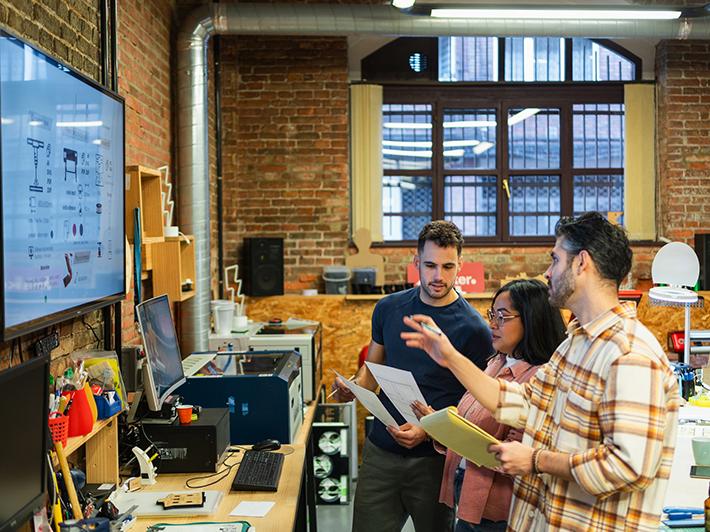
Being intentional about collaboration across fields results in a more responsive, open and effective research project. Seyedahmad Rahimi shares advice for ensuring the right people are working together in the right way
Higher education leaders often praise interdisciplinary collaboration, but their systems make it difficult to achieve. For innovation to flourish, universities must teach students and faculty to work across disciplines – and differences
Thinking of turning your research into a book for general readers? Two consultants who guide academics through the publishing process share what to weigh before you begin
Any task whose assessed object is a final number or tidy conclusions is not measuring students’ thinking, writes Lucas Long. He shares three ways to put the reasoning back at the centre of learning
Faculty who teach large introductory STEM courses often experience burnout, writes Michael Evans. Thinking of yourself as a trainer of citizen scientists and seeing your field in the world around you can help keep teaching fresh
Educators may often ask themselves how to make teaching more engaging. A better question is how to create learning experiences that fundamentally change the way students think
Universal design for learning ensures students are not only present but able to participate. Taking her cue from a South Korean television series, Sunah Cho uses three questions to address the ‘kkakdugi’ problem in higher education
Faculty, staff and students opt out of sustainability conversations when they are not sure how to engage. A dedicated network can foster a lab community and share ways to reduce the environmental impact of research
One way to navigate the tension between fear of AI’s impact on creativity and using it to enhance these processes is to take a human-centred approach to its use. Hyesoo Yoo explains
With AI becoming commonplace in nearly every industry, educators need to intentionally integrate AI into the learning process. Here’s how to do it, ethically and transparently